Who would've guessed Turkey had a big Psychadelic scene in the 60s/70s?
Okay Temiz - Denizalti Ruzgarlan Yesilcam
Thursday, January 12, 2012


Thursday, January 5, 2012
Troy's illustrious history
One of the reasons I chose to profile Turkey in my blog is because I'm a bit of a history junkie, and I knew I'd have a lot of topics to pick from (early neolithic paintings at Catal Hoyuk, Mt. Ararat - where many Biblical scholars believe Noah's ark rested, a stopover for Alexander the Great during his military exploits, endpoint of the Orient Express....the list goes on and on), however I felt there was no way I could not talk about factual and legendary city of Troy. Best known as the setting of the Trojan War as described in Homer's Iliad, Troy has become a small tourist city today, that unfortunately is often not highly recommended in tour books as it has not been as well preserved as some of its neighboring cities.
Troy has quite a history though - literally the stuff of legends. The city was destroyed and rebuilt nine times, and there are remnants from each of the nine layers still left today. The layer scholars most associate with the Troy of Homer's Iliad is likely the seventh layer, of which a portion of the legendary walls are still intact. Greek historians have difficulty placing the exact date of the Trojan War, which gave Troy such legendary status, debating whether it took place in the 12th, 13th or 14th centuries BCE. It is interesting to note that for many years, up until the mid 1800s, it was generally agreed that the Trojan War had never happened, nor had Troy existed. Only in the 1860s and 1870s were archological remains of the area excavated and credence given to the war which had been merely legend according to many scholars up until then. Today, many scholars agree that the Trojan War is based on a Greek expedition against the city of Illium, although few if any would argue that Homer painted an accurate view of the battle in his poems.
According to Homer, the Trojan War has its roots in the marriage of Peleus, son of the King of the island of Aegina, and Thetis, a sea-goddess. Eris, the goddess of discord, was angry that she was not invited, and crashed their wedding, throwing a golden apple onto the table. Eris then stated that the apple belonged to whoever was fairest, knowing this would start a heated debate amongst the gods and mortals present at the wedding, and taking the focus from the bride and groom. Hera (wife of Zeus), Athena (goddess of wisdom and war) and Aphrodite (goddess of love and beauty) all reached for the apple, thinking themselves the fairest. Zeus proclaimed that Paris, the beautiful prince of Troy, would act as judge.
The goddesses felt they could sway Paris by offering him gifts - Hera promised power, Athena promised wealth, and Aphrodite promised to give him the most beautiful woman in the world.....an offer Paris could not refuse. Aphrodite promised him that Helen, the wife of the King of Sparta - Menelaus, would be his wife, and Paris set off to Sparta, where he abducted Helen, stole much of Menelaus' wealth, and then brought Helen back to Troy and married her.
Obviously, this did not sit well with Menelaus, who gathered armies, assembled a fleet, and set off to attack Troy. The first attempt to reach Troy didn't go so well, but after returning to Greece and regrouping, Meneleus set sail again, along with Odysseus, and set off again to wage war. The war was long and arduous, with the Greeks first having to defeat neighboring kingdoms which were supplying Troy, however even after securing the neighboring areas, the Greeks faced the inpenetrable walls of Troy.
Clever Odysseus (possibly with aid from Athena) ordered that a large, hollow wooden horse be built, with space inside to hide many soldiers. I'm sure you know the story from here - Greek soldiers loaded into the horse, the rest of the Greek fleet sailed away to give the impression of retreating, and the Trojans came out to admire the huge creation. The Trojans assumed the horse was a token of their victory, brought it into the city and began to celebrate. Once most of the city was asleep (or in a drunken stupor), the Greek warriors sprang from the horse and slaughtered the Trojans.
After, the story of a Trojan prince who survived (Aeneas) was written by Virgil in Aenid. Odysseus' return to Greece is chronicled in Homer's Odyssey. The journey home was said to be difficult and arduous. And as for Helen? Meneleus forgave her, despite being determined to kill her for her unfaithfulness, because he was so overcome again by her beauty:)
 |
| ruins of Troy |
Troy has quite a history though - literally the stuff of legends. The city was destroyed and rebuilt nine times, and there are remnants from each of the nine layers still left today. The layer scholars most associate with the Troy of Homer's Iliad is likely the seventh layer, of which a portion of the legendary walls are still intact. Greek historians have difficulty placing the exact date of the Trojan War, which gave Troy such legendary status, debating whether it took place in the 12th, 13th or 14th centuries BCE. It is interesting to note that for many years, up until the mid 1800s, it was generally agreed that the Trojan War had never happened, nor had Troy existed. Only in the 1860s and 1870s were archological remains of the area excavated and credence given to the war which had been merely legend according to many scholars up until then. Today, many scholars agree that the Trojan War is based on a Greek expedition against the city of Illium, although few if any would argue that Homer painted an accurate view of the battle in his poems.
 |
| Edward Burne-Jones' The Feast of Peleus |
According to Homer, the Trojan War has its roots in the marriage of Peleus, son of the King of the island of Aegina, and Thetis, a sea-goddess. Eris, the goddess of discord, was angry that she was not invited, and crashed their wedding, throwing a golden apple onto the table. Eris then stated that the apple belonged to whoever was fairest, knowing this would start a heated debate amongst the gods and mortals present at the wedding, and taking the focus from the bride and groom. Hera (wife of Zeus), Athena (goddess of wisdom and war) and Aphrodite (goddess of love and beauty) all reached for the apple, thinking themselves the fairest. Zeus proclaimed that Paris, the beautiful prince of Troy, would act as judge.
 |
| William Blake's Judgement of Paris |
The goddesses felt they could sway Paris by offering him gifts - Hera promised power, Athena promised wealth, and Aphrodite promised to give him the most beautiful woman in the world.....an offer Paris could not refuse. Aphrodite promised him that Helen, the wife of the King of Sparta - Menelaus, would be his wife, and Paris set off to Sparta, where he abducted Helen, stole much of Menelaus' wealth, and then brought Helen back to Troy and married her.
 |
| Fra Angelico's Abduction of Helen |
 |
| Tiepolo's The Procession of the Trojan Horse in Troy |
Clever Odysseus (possibly with aid from Athena) ordered that a large, hollow wooden horse be built, with space inside to hide many soldiers. I'm sure you know the story from here - Greek soldiers loaded into the horse, the rest of the Greek fleet sailed away to give the impression of retreating, and the Trojans came out to admire the huge creation. The Trojans assumed the horse was a token of their victory, brought it into the city and began to celebrate. Once most of the city was asleep (or in a drunken stupor), the Greek warriors sprang from the horse and slaughtered the Trojans.
After, the story of a Trojan prince who survived (Aeneas) was written by Virgil in Aenid. Odysseus' return to Greece is chronicled in Homer's Odyssey. The journey home was said to be difficult and arduous. And as for Helen? Meneleus forgave her, despite being determined to kill her for her unfaithfulness, because he was so overcome again by her beauty:)
Friday, December 16, 2011
Ahhhh, this is where I want to be today.......oh, wait a minute......
 |
| Patara, Turkey |
 |
| Gocek, Turkey |
 |
| Kale, Turkey |
 |
| Orhaniye, Turkey |
 |
| Gumusluk, Turkey |
Weather for Gümüşlük, Turkey
 | 45°F | °C | Fri | Sat | Sun | Mon | |||||
 |  |  | | |||||||
| Partly Cloudy | ||||||||||
| Wind: N at 2 mph | ||||||||||
| Humidity: 100% | 66° | 54° | 64° | 57° | 64° | 55° | 66° | 55° | ||
Monday, December 12, 2011
Turkish Baths....I'm not sure if I'm game.....
As a huge fan of spas when I'm on vacation to Vegas, I felt I must check out what a Turkish bath is like....I'm intrigued, yet slightly frightened (especially from watching the Michael Palin movie linked at the end of the post).
 |
| Jean Jacques Francoise Lebarrier's A Female Turkish Hammam |
Turkish baths (hammams) stem from Greek and Roman bath traditions, however they have largely gone out of fashion in recent years, although many historic hammams continue to operate today. Baths used to be places that people mingled, socialized and gossiped while fulfilling the Islamic precept of cleanliness. During the Ottoman Empire, the Sultan's harem (consisting of his wives, mother, offspring and other female relatives) would proceed to the hamam with great ceremony, accompanied by servants bearing delicacies to help the women pass several hours lounging in the steam. The women often brought along delicately embroidered towels and slippers inlaid with ivory. Hammams have consistently been exclusive to either men or women, and not mixed.
Bathing was part of social life, and amongst women many important occasions were celebrated at the bath, including festivities the day before weddings, "tear-drying baths" in which all the female relatives and friends of the deceased would mark the twentieth day after the death of a love one, and holiday baths on the eve of holy days.

Traditionally, bathers wrap themselves in a pestamal, a colorful, checked cloth. Although decorative clogs with tinkling bells were historically used, many wear flip flops in hammams today.
 |
| Bridal bath set with clogs |
When entering historic hamams, one typically first step into the camekan, a square court with a fountain lined with small, private changing cubicles. Bathers spend a good chunk of their time in the hararet, a hot and steamy area with a raised marble platform (goebektas) in the center. The goebekta is positioned above the wood or coal furnace, and under the domed ceiling with bottle glass windows. Bathers often have a vigorous massage while lying on the warm platform. After treatments, which also typically include scrubs, bathers often have a cold drink and stretch out on reclining couches.

Check out this Michael Palin clip from his "Pole to Pole" series and see what you think of the Turkish bath experience. I'm a little freaked out.....I heard some of the five star hotels have a more "westernized" version that might be more up my alley....more like Ceasars Spa in Vegas!
Monday, December 5, 2011
What the heck is Turkish Delight?
When I first heard of Turkish Delight in "The Lion, the Witch, and the Wardrobe," I thought it was some made up confection that the White Witch offered to unsuspecting children. It was only years later that I actually saw a dusty box of Turkish Delight in an ethnic food mart...but, as it didn't involve chocolate, I wasn't too interested, I must admit!
However, I'm intrigued as to what Turkish Delight actually is....candy? gummy? super sweet? nutty? fruity? gelatinous? What the heck is it?
Turkish Delight dates back to the Ottoman Empire (I'll definitely be talking about them in a future post) and is also known by it's Turkish name - "lokum". Supposedly a sultan in the 1700s was tired of hard candies and demanded a new dessert alternative. A man named Bekir Effendi, who moved to Istanbul from the coast of the Black Sea, took up the challenge and used honey and molasses as sweetners, water and flour as thickener, and rosewater for flavor. He mixed the ingredients together, heated them up, and then poured the concoction in a pan slicked with almond oil to cool. He sprinkled it with powdered sugar, cut it into bite-sized morsels, and began a Turkish sensation!
Bekir opened a shop has been in continuous operation in the Old City district of Istanbul for over 200 years. They have expanded to include several additional storefronts where they serve numerous Turkish sweets, as well as Turkish Delight in a variety of flavors: plain, rose, pistachio, hazelnut, walnut, almond, coconut and almond, cream, cream with cinnamon, mastic, mint, sourcherry, lemon, strawberry, orange, apricot, date, ginger, clove and coffee.

Turks are notorious for having a sweet tooth, and this is an incredibly popular treat. The confection is made of starch and sugar and is often flavored with rosewater, mastic (tree resin with a bitter/piney flavor), and lemon. The consistency is somewhat jelly like, and can be sticky at times. The candy is cut into cubes which are dusted with icing sugar or copra (coconut) and sometimes contain pieces of nuts like walnut, pistachio and hazelnut.

I just tried to find some Turkish restaurants in San Diego to no avail, but I did find a few Mediterranean shops and restaurants that have fresh made Turkish Delight and Turkish coffee on the menu - I'll check them out and update you all soon!
However, I'm intrigued as to what Turkish Delight actually is....candy? gummy? super sweet? nutty? fruity? gelatinous? What the heck is it?
 |
| Turkish Delight |
Turkish Delight dates back to the Ottoman Empire (I'll definitely be talking about them in a future post) and is also known by it's Turkish name - "lokum". Supposedly a sultan in the 1700s was tired of hard candies and demanded a new dessert alternative. A man named Bekir Effendi, who moved to Istanbul from the coast of the Black Sea, took up the challenge and used honey and molasses as sweetners, water and flour as thickener, and rosewater for flavor. He mixed the ingredients together, heated them up, and then poured the concoction in a pan slicked with almond oil to cool. He sprinkled it with powdered sugar, cut it into bite-sized morsels, and began a Turkish sensation!
 |
| Ali Muhiddin Haci Bekir Confectioners shop |
Bekir opened a shop has been in continuous operation in the Old City district of Istanbul for over 200 years. They have expanded to include several additional storefronts where they serve numerous Turkish sweets, as well as Turkish Delight in a variety of flavors: plain, rose, pistachio, hazelnut, walnut, almond, coconut and almond, cream, cream with cinnamon, mastic, mint, sourcherry, lemon, strawberry, orange, apricot, date, ginger, clove and coffee.

Turks are notorious for having a sweet tooth, and this is an incredibly popular treat. The confection is made of starch and sugar and is often flavored with rosewater, mastic (tree resin with a bitter/piney flavor), and lemon. The consistency is somewhat jelly like, and can be sticky at times. The candy is cut into cubes which are dusted with icing sugar or copra (coconut) and sometimes contain pieces of nuts like walnut, pistachio and hazelnut.

I just tried to find some Turkish restaurants in San Diego to no avail, but I did find a few Mediterranean shops and restaurants that have fresh made Turkish Delight and Turkish coffee on the menu - I'll check them out and update you all soon!
apologies for November - off and running for December!
Apologies for my hiatus in November! I can't say anything in particular caused it - I think I just needed a little travel break and to focus on the homefront a bit more.
But, I'm back and ready to explore...Turkey! I don't know if it's all the talk of thanksgiving Turkey or what, but I'm inspired:) Here's what I know about Turkey to start with: kinda like Greece, used to be part of the Byzantine Empire, home to the Hagia Sophia - a beautiful church turned mosque, land of Turkish Delight. That's pretty much it:) I have a lot to learn!
Here's some pix to get you excited:
Here's some pix to get you excited:
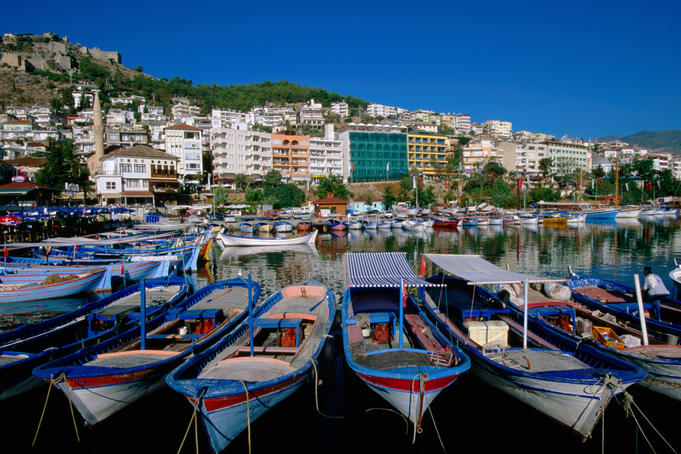 |
| Turkish Marina |
 |
| Chora Museum |
 |
| Turkish fisherman's wife knitting by the ocean |
 |
| Greek ruins in Priene |
 |
| Turkish Baths |
 |
| Kaputas Cove and Beach |
 |
| Lamb Kebob stall |
 |
| Turkish rug-maker in the Grand Bazaar |
 |
| Sheep grazing near Lake Van |
 |
| Sulemaniye Mosque |
 |
| Temple of Hadrian |
 |
| Tombs of Amyntas |
 |
| Turkish Delight |
 |
| Waterfront Cafe at Kumbahce Bay |
Sunday, November 6, 2011
Knud Rasmussen and life in Greenland in the early 1900s
 |
| Knud Rasmussen |
Knud Johan Victor Rasmussen, "father of Eskimology" was a polar explorer who lived from 1879 - 1933. Rasmussen was born in Greenland and is of Inuit and Danish descent, but as Greenland had been colonized by Denmark, he is considered a Danish explorer. Although Rasmussen was eventually educated in Denmark, he spent much of his early life in Greenland, living among the Inuit, learning the essentials of living in harsh terrain of Greenland. Rasmussen knew the Inuit language and was familiar with hunting, kayaking, and driving dog sleds. Rasmussen was the first European to cross the Northwest Passage via dog sled. Rasmussen is quoted as saying "My playmates were native Greenlanders; from the earliest boyhood I played and worked with the hunters, so even the hardships of the most strenuous sledge-trips became pleasant routine for me."
 |
| Knud Rasmussen's house near Copenhagen |
Before becoming a polar explorer, Rasmussen unsuccessfully pursued a career as an actor and opera singer, however he quickly moved on to begin numerous expeditions, examining Inuit culture, establishing trading bases, mapping little known areas, and collecting ethnographic data. Rasmussen made detailed notes and sketches during his travels, collecting artifacts, legends and songs from varied Inuit cultures. He spoke of the Inuit peoples saying "Their culture is a witness in itself to the strength and endurance and wild beauty of human life." Rasmussen would return to a house only a few hundred meters from the ocean, near Copenhagen, where he would work and write in between expeditions. Rasmussen eventually contracted pneumonia after an episode of food poisoning and died in Copenhagen at the age of 54.
 |
| Statue of Knud Rasmussen in Strandvejen, Denmark |
There is a statue of Knud Rasmussen in Strandvejen, near Copenhagen, overlooking the sea, in an area with very clear water, perfect for diving and fishing. My dad alerted me to some controversy surrounding the statue - it currently memorializes Rasmussen looking out to sea toward Sweden and some are calling for it to be turned so his effigy would look out toward his native Greenland. Here's a link to a video featuring some nice footage of the sculpture and details of the movement to reposition the monument.
I stumbled across this archival footage of life in Northwest Greenland that shows some of what Rasmussen probably encountered in his travels. Man....I could not handle this way of life.....
Subscribe to:
Posts (Atom)